
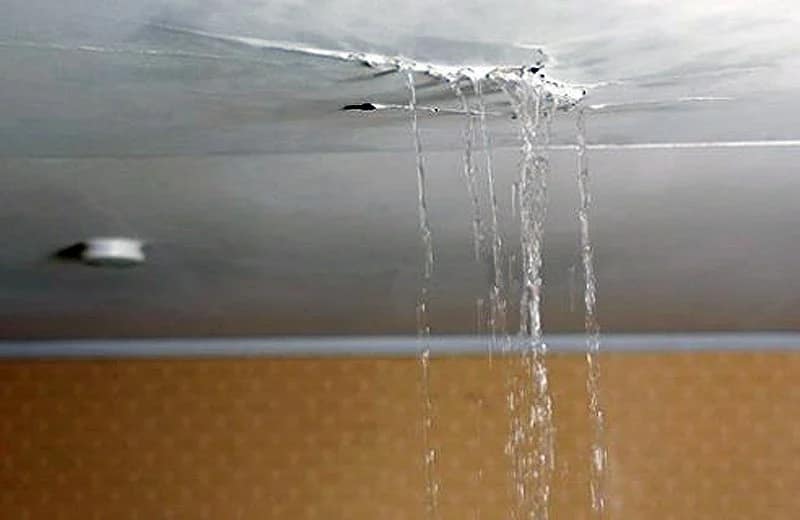
Addressing a roof leak immediately can save you thousands — and spare you a whole lot of headaches.
You notice a water stain on the ceiling. Maybe a bucket goes down in the corner. It doesn’t seem like a big deal — the rain will stop, life goes on. But that small drip is silently setting off a chain reaction inside your home, and every hour you wait, the cost of fixing it grows.
A Small Leak is Never Just a Small Leak
Water is deceptively destructive. What looks like a minor stain on your ceiling can represent water that has already traveled several feet through insulation, wood framing, and drywall before revealing itself. By the time you see evidence of a leak, it has often been active for much longer than you’d think.
Roofing professionals consistently report that the majority of costly roof repairs they see could have been inexpensive fixes — had the homeowner called sooner. The damage doesn’t stay put. It spreads.
Repair costs multiply the longer a leak is left unaddressed
48 Hours- Time before mold can begin growing in wet building materials
40% Of all building-related problems are caused by water intrusion
The Hidden Chain of Damage
Here’s what happens inside your home when a roof leak goes unaddressed. It’s not a pretty picture, but it’s important to understand.
- Structural wood rot: Roof sheathing, rafters, and joists absorb moisture. Once wood begins to rot, it loses structural integrity — and replacing framing members is far more expensive than patching a few shingles.
- Mold and mildew growth: Mold can begin forming within 24–48 hours of moisture exposure. Once established in insulation or wall cavities, mold remediation is a major undertaking — costly, disruptive, and a potential health risk for your family.
- Insulation damage: Wet insulation loses its R-value almost immediately. Saturated batt insulation doesn’t dry out — it stays wet, compresses, and often needs to be completely replaced. Your energy bills will reflect this silently.
- Ceiling and drywall failure: Drywall that absorbs water swells, sags, and eventually crumbles. A soaked ceiling can collapse. Replacing interior drywall and repainting adds up quickly on top of the original roof repair.
- Electrical hazards: Water and wiring don’t mix. Moisture reaching your home’s electrical system can create shock hazards, short circuits, and in serious cases, fire. This turns a roof repair into an electrician visit too.
The math is simple: A minor roof repair — patching damaged flashing or replacing a handful of shingles — might cost $300–$600. Wait until that leak has rotted the sheathing, soaked the insulation, and seeded a mold colony? You’re looking at $5,000 to $15,000 or more. Prompt action is always the better investment.
How a Leak Escalates Over Time
Understanding the timeline of water damage helps make the case for urgency better than anything else.
Within hours: Water enters through compromised shingles, flashing, or seals. It saturates insulation and begins soaking wood framing and sheathing.
24–48 hours: Mold spores activate in the damp environment. Drywall begins to absorb moisture and weaken. Ceiling paint starts to bubble or stain.
1–2 weeks: Mold colonies establish. Wood rot begins in persistently wet areas. Insulation is likely compromised. The leak’s entry point may now be widened by freeze-thaw cycles or wind.
1–3 months: Structural damage to rafters and joists becomes possible. Ceilings may sag or fail. Mold has spread significantly and remediation is now unavoidable.
6+ months: At this stage, what began as a minor roofing issue may require a partial or full roof replacement, extensive interior reconstruction, and professional mold remediation.
Your Insurance May Not Bail You Out
Many homeowners assume their insurance will cover water damage from a roof leak. This is often true — but only if the damage was caused by a sudden, accidental event (like a storm). Damage resulting from a leak that was known and left unaddressed is frequently classified as negligence or lack of maintenance, which most policies explicitly exclude.
Adjusters are trained to look for signs of long-term water intrusion: staining patterns, mold growth, wood discoloration. If they determine the leak was gradual and ignored, your claim may be denied — leaving you entirely responsible for a repair bill that could have been a fraction of the cost.
Signs You Should Act on Immediately
Not every roof problem announces itself as a visible drip. Watch for these warning signs and don’t dismiss them:
- Water stains or discoloration on ceilings or upper walls — even if dry to the touch
- Musty odors in the attic or upper floors — a reliable sign of moisture and possible mold
- Granules from asphalt shingles accumulating in gutters — a sign your shingles are failing
- Daylight visible from inside the attic — any gap is a potential water entry point
- Sagging, warped, or peeling areas on the ceiling or in the attic
What to do right now
If you’ve noticed any of the above, the steps are straightforward: document the damage with photos, place a container to catch any active dripping, and contact a licensed roofing contractor for an inspection as soon as possible. We offer free inspections, and catching a problem early is genuinely in everyone’s interest.
In the meantime, a roof with an active leak during a storm can be temporarily addressed from the inside using roofing tape or plastic sheeting in the attic — but this is a stopgap, not a fix. The exterior problem still needs professional attention.
Don’t Let a Small Problem Become a Big One.
The cost of inaction is almost always greater than the cost of repair. If you’ve spotted a leak, a stain, or anything that doesn’t look right — get it looked at today. Schedule a free roof inspection.
Regular roof inspections — at least once a year and after major storms — are the best prevention. Most roofs last 20–30 years with proper maintenance. Neglect can cut that lifespan in half.