When homeowners think about roof lifespan, they usually focus on shingles, underlayment, or storm damage. But one of the most important — and most overlooked — factors in how long a roof lasts is ventilation.
A well-designed ventilation system can add years to your roof’s life. Poor ventilation, on the other hand, can quietly shorten it.
What Is Roof Ventilation?
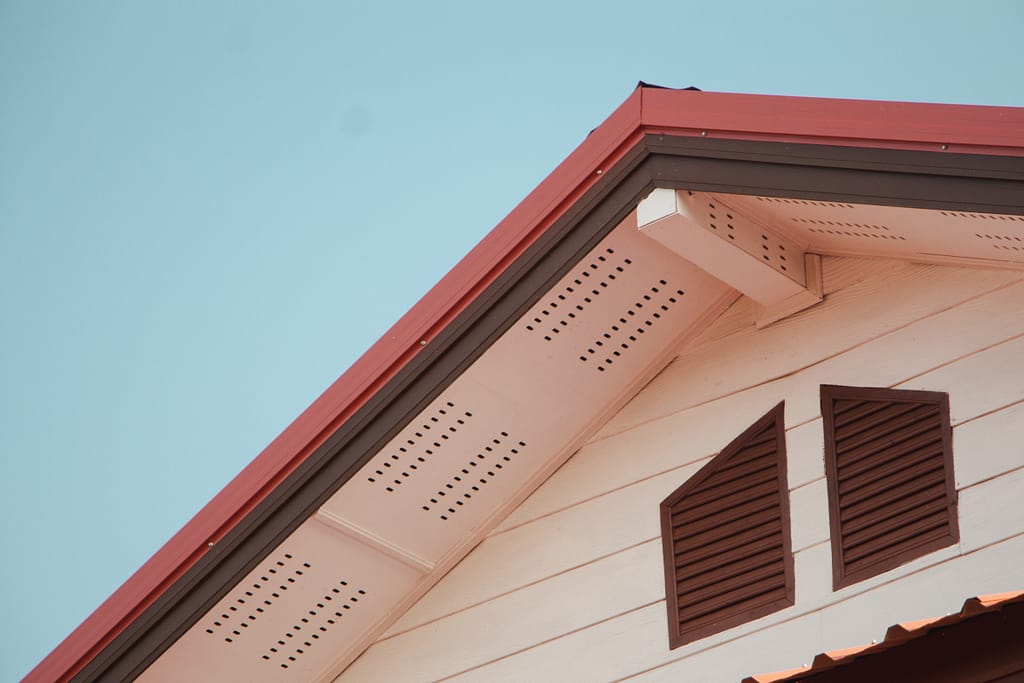
Roof ventilation is the system that allows air to circulate through your attic space. It typically works through a balanced combination of:
- Intake vents (usually at the soffits or eaves)
- Exhaust vents (such as ridge vents, box vents, or powered fans)
The goal is simple: allow fresh air to enter while pushing hot, moist air out.
When this system is properly balanced, it regulates temperature and moisture year-round — both of which directly affect your roof’s performance and longevity. Check out Roof Ohio’s options for ventilation here.
The Summer Threat: Heat Buildup
During warmer months, attic temperatures can easily reach 130–160°F or higher. Without proper ventilation:
- Shingles overheat and age prematurely
- Adhesives weaken
- Roofing materials dry out and crack
- Energy costs increase as your HVAC system works harder
Excessive attic heat essentially “bakes” your roof from underneath. Over time, this accelerates deterioration and can significantly reduce the expected lifespan of your shingles.
The Winter Threat: Moisture Damage
Ventilation isn’t just about heat — moisture control is equally important.
In winter, warm air from your home rises into the attic. If it cannot escape, condensation forms on the underside of the roof deck. This can lead to:
- Mold and mildew growth
- Wood rot in decking and rafters
- Insulation damage
- Ice dam formation along the roof edge
Moisture-related damage often goes unnoticed until structural problems develop. Proper airflow prevents condensation buildup and protects the integrity of the roofing system.
How Poor Ventilation Shortens Roof Life
An improperly ventilated attic can cause:
- Curling or blistering shingles
- Warped roof decking
- Premature shingle failure
- Voided manufacturer warranties
In fact, many roofing manufacturers require proper ventilation to maintain warranty coverage. If ventilation is inadequate, even high-quality materials may fail early.
The Benefits of Proper Roof Ventilation
When ventilation is correctly installed and balanced, homeowners gain several advantages:
1. Extended Roof Lifespan
By regulating temperature and moisture, ventilation reduces stress on roofing materials and helps them reach (or exceed) their expected service life.
2. Lower Energy Bills
A cooler attic reduces the load on your air conditioning system during summer months.
3. Reduced Risk of Mold and Rot
Air circulation prevents moisture buildup that damages structural components.
4. Improved Indoor Comfort
Proper airflow helps stabilize indoor temperatures year-round.
5. Ice Dam Prevention
In colder climates, balanced ventilation reduces uneven roof temperatures that contribute to ice dams.
Signs You May Have a Ventilation Problem
You might notice:
- Excessively hot attic air
- Musty odors
- Visible mold on attic wood
- Curling or deteriorating shingles
- Ice dams forming in winter
- High summer cooling costs
If any of these issues appear, a professional roof and attic inspection can determine whether ventilation adjustments are needed.
The Bottom Line
Your roof is more than just shingles — it’s a complete system. Ventilation plays a critical role in protecting that system from heat and moisture damage that slowly erodes its performance.
If you want your roof to last as long as possible, don’t overlook what’s happening beneath it. A properly ventilated attic isn’t just a comfort feature — it’s a long-term investment in the health, durability, and efficiency of your home.