When it comes to choosing siding for your home, the options can feel overwhelming. Vinyl, wood, engineered wood, stucco, brick — the list goes on. But after you look at the full picture — durability, aesthetics, maintenance, cost, and environmental impact — one option rises clearly above the rest: fiber cement siding.
Used on millions of homes across North America and trusted by builders and remodelers alike, fiber cement has quietly become the gold standard in exterior cladding. Here’s why.
What Is Fiber Cement Siding?
Fiber cement is a composite material made from Portland cement, sand, and cellulose wood fibers. The result is a dense, rigid panel that looks remarkably like natural wood — but performs nothing like it. Brands like James Hardie have spent decades refining the product, and today fiber cement is available in lap siding, vertical panels, shingles, and trim in dozens of textures and colors.
1. It’s Built to Last
Let’s start with the most important factor: longevity. Fiber cement siding is engineered to withstand the full range of what nature throws at it.
- Fire resistant — Unlike vinyl or wood, fiber cement is non-combustible. It won’t ignite or contribute to the spread of a fire, which is a significant safety advantage and can even lower your homeowner’s insurance premiums.
- Impact resistant — Hail, flying debris, and the general beating that exteriors take? Fiber cement handles it without cracking, denting, or warping.
- Moisture resistant — Properly installed and painted fiber cement resists rain, humidity, and freeze-thaw cycles far better than wood. It won’t rot, swell, or buckle.
- Pest resistant — Termites and woodpeckers that wreak havoc on wood siding have no interest in fiber cement.
Most manufacturers back their products with 30- to 50-year warranties, and homes sided with fiber cement routinely outlast those warranties with minimal degradation.
2. It Looks Like Wood — Without the Wood Problems
One of the biggest misconceptions about fiber cement is that it looks “cheap” or synthetic. In reality, the texture and profile of premium fiber cement is nearly indistinguishable from painted wood at a distance, and very convincing up close.
You can get deep wood-grain textures that mimic cedar lap siding, cedar shingles, stucco, or smooth board-and-batten. It paints beautifully and holds color longer than wood because the dense substrate doesn’t expand and contract the same way with seasonal temperature changes.
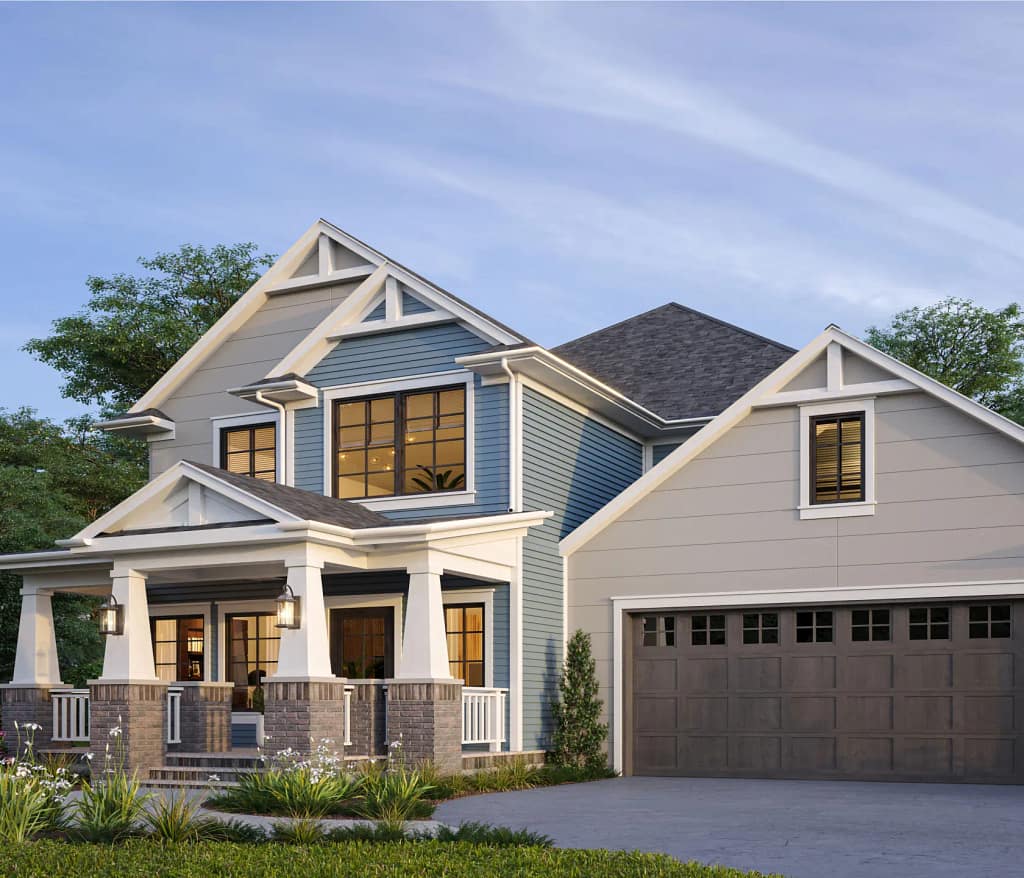
If you love the look of a craftsman, colonial, farmhouse, or cottage-style home, fiber cement delivers that aesthetic without the maintenance headaches of actual wood.
3. Low Maintenance, High Reward
Ask any homeowner with wood siding how often they repaint, caulk, and repair — and you’ll hear a familiar groan. Wood requires repainting every 5 to 7 years, ongoing caulking to prevent moisture intrusion, and vigilance for rot and insect damage.
Fiber cement siding, by contrast, typically needs repainting every 15 to 20 years, and many products come with factory-applied finishes backed by 15-year color warranties. Routine maintenance amounts to an annual rinse with a garden hose and an occasional inspection of caulk joints.
Over a 30-year period, the maintenance savings alone can offset a significant portion of the initial cost premium over cheaper options.
4. It Adds Real Value to Your Home
Curb appeal matters — both for your enjoyment of your home and for its resale value. Fiber cement consistently ranks among the highest-return exterior remodeling projects in Remodeling Magazine‘s annual Cost vs. Value report.
Buyers recognize the quality. Real estate agents know it commands a premium. And appraisers factor in the reduced future maintenance costs. Whether you’re planning to sell in two years or twenty, fiber cement siding is an investment that pays dividends.
5. It’s More Environmentally Responsible Than You’d Think
Sustainability-minded homeowners sometimes overlook fiber cement in favor of natural materials, but consider the full lifecycle:
- Fiber cement’s raw materials — sand and cement — are abundant and locally sourced in most markets.
- Its durability means fewer replacements over the life of a building, reducing total material consumption.
- It doesn’t require the chemical treatments that pressure-treated wood demands.
- Some manufacturers, including James Hardie, have sustainability programs that reduce waste and energy usage in production.
It’s not a zero-impact product, but it compares favorably to alternatives when you account for longevity and lifecycle costs.
The Honest Trade-offs
No product is perfect, and fiber cement has a few characteristics worth knowing:
- It costs more upfront than vinyl siding, typically 20–40% more installed. This is real, and it matters for budget-constrained projects.
- It’s heavy, which can add to installation labor costs and requires proper structural support.
- It requires professional installation to perform as advertised — improper flashing, gapping, or painting can void warranties and compromise performance.
But when you stack these trade-offs against the decades of lower maintenance, superior durability, fire resistance, and aesthetic versatility, most homeowners find the math works strongly in fiber cement’s favor.
The Bottom Line
There’s a reason fiber cement siding has become the default choice for quality-minded builders and homeowners. It’s not the cheapest product on the shelf — but it’s the best value over time. It looks great, holds up to the elements, resists fire and pests, and demands very little from you in return.
If you’re replacing siding on an existing home or choosing materials for a new build, fiber cement deserves serious consideration. Once you see how it performs over 10, 20, and 30 years, the initial investment will feel less like a cost and more like one of the smarter decisions you made for your home.