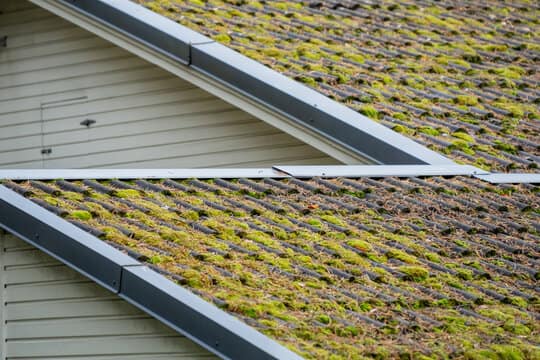
If you’ve noticed dark streaks or a greenish tinge creeping across your roof shingles, you’re not alone. Roof algae is one of the most widespread — and most overlooked — home maintenance problems in the country. Left unchecked, it can shorten the life of your roof, drive up energy bills, and seriously hurt your home’s curb appeal. The good news? With the right knowledge, it’s entirely preventable.
What Is Roof Algae?
The dark staining you see on roofs is most commonly caused by a cyanobacterium called Gloeocapsa magma. Despite often being called “algae,” it’s technically a photosynthetic bacteria that feeds on the limestone filler used in asphalt shingles. As it colonizes your roof, it produces a dark pigment as a UV shield — which is exactly what creates those ugly black or greenish streaks. Over time, true algae, moss, and lichen can follow, compounding the damage.
Common Causes of Roof Algae
1. Moisture and Humidity
Algae thrive in moist environments, making humidity the number one contributing factor. Homes in regions with high rainfall, coastal climates, or frequent fog are especially vulnerable. Even in drier climates, poorly ventilated attics can trap moisture and create ideal conditions for algae growth on the underside and surface of roofing materials.
2. Shade from Trees
Trees are beautiful — and devastating to roofs. Overhanging branches block sunlight that would otherwise dry out your shingles after rain. Shade keeps the roof surface wet for longer, giving algae the damp environment it needs to take hold. Fallen leaves and debris also pile up and retain moisture, accelerating the process.
3. Roof Pitch and Design
Low-slope roofs drain more slowly than steep ones, meaning water lingers on the surface longer. Flat sections, roof valleys, and areas around chimneys or dormers are especially prone to standing water — and therefore to algae growth.
4. Poor Roof Ventilation
A well-ventilated attic keeps the roof deck dry from the inside out. When ventilation is inadequate, heat and moisture build up in the attic, warming the roof surface and creating a greenhouse-like environment where algae spread rapidly.
5. Aging Shingles
As asphalt shingles age, their granule coating deteriorates. This exposes more of the limestone-based filler that algae feed on. Older roofs are therefore significantly more susceptible than newer ones — especially if the shingles weren’t treated with algae-resistant materials.
6. Proximity to Other Affected Roofs
Algae spores travel through the air and can spread from neighboring homes or structures. If your street has several homes with visible roof staining, the odds of your own roof becoming infected are notably higher.
The Damage Algae Can Cause
It’s tempting to dismiss roof algae as a cosmetic issue, but the consequences go further:
- Granule loss: Algae weaken the granule bond on asphalt shingles, accelerating wear and reducing the roof’s ability to reflect UV rays.
- Heat retention: Algae darkens the roof surface, absorbing more heat and raising cooling costs during summer months.
- Structural damage: If algae give way to moss or lichen, root-like structures can physically lift and separate shingles, allowing water to penetrate the roof deck.
- Reduced lifespan: A roof that should last 25–30 years can see its lifespan cut significantly if algae growth goes unaddressed.
How to Prevent Roof Algae
Choose Algae-Resistant Shingles
When it’s time to replace your roof, invest in shingles treated with copper or zinc granules. These metals are toxic to algae and moss, and many manufacturers now offer certified algae-resistant products. Look for shingles that meet the ASTM D3462 standard and carry an algae-resistance warranty.
Install Zinc or Copper Strips
If your existing roof is in good shape but algae-prone, you can install zinc or copper strips along the ridge. When it rains, trace amounts of metal wash down the slope and inhibit algae growth. This is a cost-effective solution that can add years to your current roof’s life.
Trim Overhanging Branches
Keep tree limbs cut back at least six to ten feet from your roofline. This maximizes sunlight exposure, reduces debris accumulation, and improves airflow across the shingles — all of which make your roof a far less hospitable environment for algae.
Improve Attic Ventilation
Have a roofing professional assess your attic ventilation. Properly placed soffit and ridge vents create continuous airflow that carries moisture out before it can damage your roof structure or promote surface growth.
Keep Gutters Clean
Clogged gutters cause water to back up onto the roof, creating the exact pooling conditions algae love. Clean your gutters at least twice a year — more often if you have heavy tree coverage — and ensure downspouts direct water well away from the foundation.
Address Shading Where Possible
Strategic tree pruning or, in some cases, selective removal of trees too close to the home can dramatically reduce algae risk. While this may feel counterintuitive given the benefits of shade for cooling, the long-term savings on roofing costs often outweigh the trade-off.
Clean Your Roof Proactively
If you live in a high-humidity area, consider a gentle annual cleaning with a low-pressure wash and an algae-inhibiting solution (a diluted bleach or commercial roof cleaner works well). Avoid high-pressure washing, which strips granules and accelerates shingle wear. Always follow manufacturer guidelines and local environmental regulations when cleaning.
When to Call a Professional
If algae, moss, or lichen have already taken hold, it’s worth consulting a roofing professional before attempting a DIY clean. Professionals have access to commercial-grade treatments that are more effective and safer for your shingles than consumer products. They can also assess whether any underlying damage — lifted shingles, compromised flashing, granule loss — needs to be addressed before cleaning. We offer FREE detailed inspections!
Final Thoughts
Roof algae isn’t inevitable. With the right combination of material choices, routine maintenance, and environmental management, you can keep your roof clean, functional, and looking sharp for decades. A little prevention now is far cheaper than a premature roof replacement later — so don’t let the green menace get the upper hand.