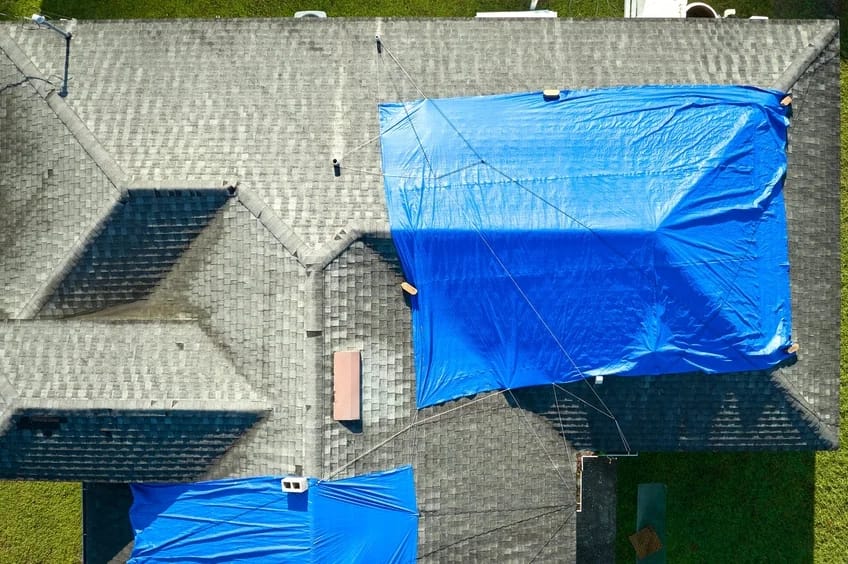
When a storm rips through Central Ohio, the damage to your roof is rarely the only problem. The bigger threat often shows up afterward — rain, wind, and time working together to turn a manageable repair into a much costlier one. That’s where emergency tarping comes in, and it’s one of the most overlooked steps in protecting your home after severe weather hits Westerville, Columbus, and the surrounding communities.
The 24-48 Hour Window That Matters Most
After high winds, hail, or a fallen tree limb compromises your roof, you’re working against a clock. Exposed decking, missing shingles, or cracked flashing give water a direct path into your attic, insulation, and ceilings. Every hour that gap stays open, the risk of secondary damage grows.
A properly installed tarp isn’t a cosmetic fix — it’s a barrier that buys you time. It keeps rain out while you wait for a full inspection, an insurance adjuster, or scheduled repairs, and it can be the difference between a roof replacement and a roof-plus-drywall-plus-insulation-plus-mold-remediation project.
What Happens If You Skip It
Homeowners sometimes assume a little exposed roof can wait until the next sunny day. In Ohio, that’s a gamble. Our weather doesn’t cooperate on a convenient schedule, and even a “small” leak can cause damage that compounds fast:
Water intrusion doesn’t stay where it lands. It travels along rafters and trusses, soaking insulation and drywall well beyond the original entry point. Within 24-48 hours of sustained moisture exposure, mold growth becomes a realistic concern, especially in Ohio’s humid summer months. Electrical systems, light fixtures, and HVAC components near the leak path can also be compromised, turning a roofing issue into an electrical or HVAC repair bill too.
What started as storm damage to a few square feet of shingles can turn into a five-figure interior repair if water sits unaddressed.
How Emergency Tarping Protects Your Insurance Claim
This is the part many homeowners don’t realize until it’s too late: most insurance policies include a “duty to mitigate” clause. In plain terms, this means you’re expected to take reasonable steps to prevent further damage once you know your roof is compromised. If an adjuster determines that interior damage could have been avoided with prompt tarping, it can complicate or even reduce your claim payout.
Having a professional, photo-documented tarping job on record does two things for your claim. First, it shows the insurance company you acted responsibly and in good faith. Second, it creates a clear before-and-after timeline that supports your damage documentation — something that matters a great deal in Ohio, where insurers apply a matching standard when assessing whether damaged materials need to be replaced across an entire roof slope or section.
What a Professional Emergency Tarp Job Actually Involves
Not all tarping is created equal, and a poorly secured tarp can cause its own problems — wind can rip it loose, improper anchoring can create new puncture points, and a tarp installed without addressing the underlying damage can trap moisture rather than block it.
A proper emergency tarping service includes a few non-negotiables: a safety-first assessment of the damaged area before anyone gets on the roof, heavy-duty reinforced tarping material rated for wind exposure, anchoring methods that don’t create additional penetration points in undamaged sections of the roof, and full photo documentation for insurance purposes. The goal is a temporary seal that holds through the next round of weather, not just until the next gust of wind.
Storm Chasers vs. Local Response
After major storms roll through Central Ohio, it’s common to see unfamiliar trucks and door-knockers offering “free tarping” or “free inspections.” Some are legitimate. Many are out-of-state crews chasing storm damage from town to town, with little accountability once they’ve moved on to the next zip code.
The safest approach is working with a contractor who has a permanent, local presence — one who will still be answering the phone, and standing behind the work, months after the storm has passed. A local crew is also more likely to understand Ohio-specific insurance nuances, building codes, and the realistic timelines for full repairs once material and scheduling backlogs hit after a regional storm event.
What to Do in the First Hour After Storm Damage
If you suspect roof damage after a storm, a few steps make a real difference: photograph any visible damage and interior leaks before anything is covered or cleaned up, avoid walking on the roof yourself or sending anyone up without proper safety equipment, contact a local roofing contractor for emergency tarping rather than waiting for a scheduled inspection slot, and keep all documentation and contractor communication for your insurance claim file.
Protecting Your Home Starts With a Fast Response
Storm damage is stressful enough without watching a manageable repair turn into a major renovation because water had three extra days to find its way into your home. Emergency tarping isn’t about cutting corners — it’s about buying the time needed to do the repair right, protect your insurance position, and keep your home dry while a permanent fix is scheduled.